

At Gulf Harbour Preschool, we intentionally create joyful, meaningful experiences with books. We believe that when children experience reading as enjoyable, comforting, and part of everyday life, they begin to develop positive attitudes towards literacy that can remain with them throughout their lives.
Storytelling is woven naturally throughout our daily programme. Children enjoy books in both whole-group and small-group settings, where stories are brought to life through expressive reading. Teachers read with enthusiasm, using facial expressions, different voices, gestures, and expressions to capture children's imaginations and deepen their engagement. We value rereading favourite stories, recognising that repetition builds children's confidence, comprehension, vocabulary, and enjoyment while encouraging active participation.
A key aspect of our philosophy is following children's interests. Children are encouraged to choose books they enjoy, while teachers thoughtfully introduce stories that connect with current learning projects and emerging interests. This intentional approach helps children see books as valuable tools for exploration and discovery.
During shared reading experiences, teachers ask open-ended questions that encourage children to think deeply and extend their language, such as "What do you think will happen next?" or "How do you think she is feeling?" These conversations foster critical thinking, imagination, vocabulary development, and confidence in expressing ideas.
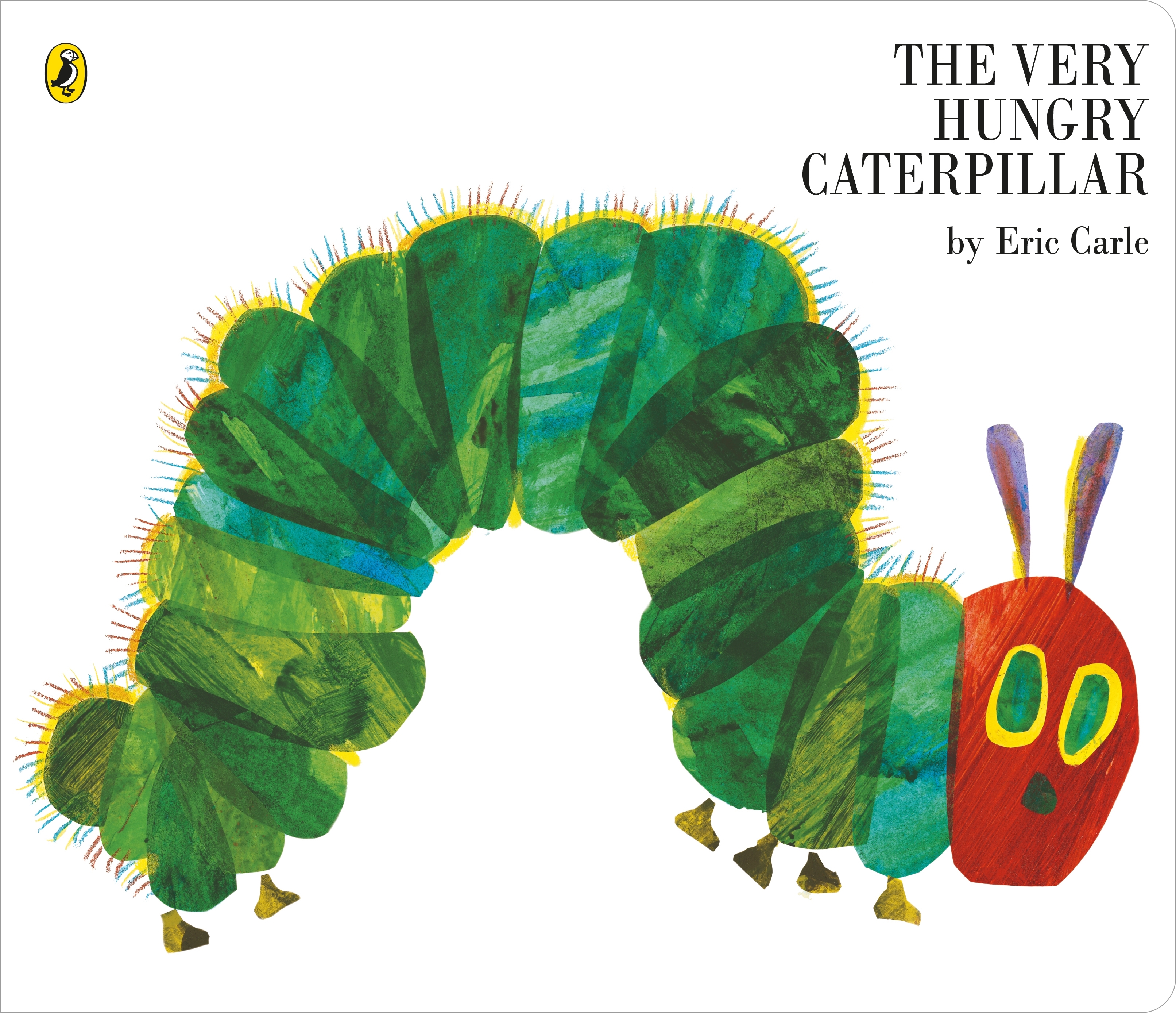
To make stories even more meaningful, books are extended into many areas of the curriculum through art, dramatic play, music, science, cooking, and outdoor experiences. For example, after reading The Very Hungry Caterpillar, children enthusiastically recreated the caterpillar's journey through role play, acting out the different foods it ate before transforming into a beautiful butterfly. Experiences such as these allow children to connect literature with hands-on learning while strengthening their understanding through play.
One of the most important features of the literacy programme at Gulf Harbour Preschool is the equal value placed on both fiction and non-fiction books. We believe children benefit enormously from exploring factual texts that deepen their understanding of the world around them. As projects emerge, families are encouraged to contribute books from home, while teachers gather a wide range of resources to support children's inquiries.
For example, during a space project, children explored non-fiction books filled with photographs of real planets, rockets, astronauts, and galaxies. Seeing authentic images helped bring their learning to life, sparked meaningful conversations, and inspired further questions and investigations.
We believe that when children are surrounded by rich literacy experiences, caring adults who model a love of reading, and books that reflect both their interests and the wider world, they develop not only strong early literacy skills but also a genuine love of reading that can last a lifetime.
Top authors we recommend
Dr Seuss
Eric Carle
Phyllis Root
James Mayhew
P D Eastman
Ruth Galloway
Books we recommend for learning and development
Fiction books that align with the individual interests of a child. An example of this is ‘Goodnight, Goodnight, Construction Site’ by Sherry Duskey Rinker and ‘The Little Yellow Digger ' by Betty Gilderdale for a child who is excited by construction machinery.
Non-fiction books featuring high-quality photographs and real fun facts and information, which will spark curiosity. An example of this is Lonely Planet Kids ‘The Rocks Book ’, part of the Lonely Planet series.
Curriculum-based books such as If Only by Mies van Hout which inspires children to create a beautiful art piece.
Books in the series written by James Mayhew focus on famous artists, such as ‘Katie And The Starry Night’, which highlights Van Gogh's amazing masterpieces.
Books that are always a hit with children.
We find that there are some books that preschool children ask for again and again because they have engaging stories, predictable language, humour, or opportunities to join in. Here are some favourites that consistently capture children's attention:
Interactive and repetitive stories
- We're Going on a Bear Hunt by Michael Rosen – Wonderful for actions, repeated phrases, and dramatic storytelling.
- Brown Bear, Brown Bear, What Do You See? by Bill Martin Jr. and Eric Carle – Predictable text encourages children to join in.
- Dear Zoo by Rod Campbell – Lift-the-flap surprises never get old.
Funny favourites
- The Gruffalo by Julia Donaldson – A clever story with memorable characters.
- Oi Frog! by Kes Gray – Rhyming nonsense that children love.
Animal stories
- Hairy Maclary from Donaldson's Dairy by Lynley Dodd – A New Zealand classic with wonderful rhythm and rhyme.
- Giraffes Can't Dance by Giles Andreae – A lovely story about confidence and individuality.
- Fidgety Fish by Ruth Galloway
Best advice for parents reading at home.
READ, READ, READ to your children at every opportunity and especially at bedtime!!
The greatest gift you can give your child is a love of books. Reading together every day, even for just 10–15 minutes, helps build language, imagination, confidence, and a lifelong love of learning.
Simple ways you can support your child's reading journey at home:
- Read every day. Make reading part of your daily routine, whether it's before bed, after dinner, or during a quiet moment together.
- Read the same book again and again. Children love repetition. Hearing favourite stories repeatedly helps them remember new words, understand the story more deeply, and build confidence.
- Talk about the story. Ask simple questions like, "What do you think will happen next?" or "How do you think the bear is feeling?" This helps develop thinking and language skills.
- Let your child choose the books. Following their interests makes reading exciting and meaningful.
- Make reading fun. Use different voices for the characters, make funny sounds, and enjoy the story together.
- Point to the words as you read. This helps children understand that print carries meaning and that we read from left to right.
- Look at the pictures together. Encourage your child to describe what they can see, predict what might happen, and tell parts of the story in their own words.
- Be a reading role model. When children see adults reading and enjoying books, they learn that reading is valuable and enjoyable.
Most importantly, what children will remember most is the special time spent cuddling up with someone they love and sharing a story together.
Read, read, read! Every story you share helps build your child's vocabulary, imagination, confidence, and love of learning—one page at a time.
Quick Fire:
Favourite Picture Book
- Sharing A Shell by Julia Donaldson
Funniest Read Aloud
- Do Not Open This Book by Andy Lee.
Best Bedtime Book
- Little Blue Truck By Alice Schertle
Best Book To Get Class Engaged
- We Are Going On A Bear Hunt by Michael Rosen
Favourite NZ Author
- Nikki Slade Robinson (Little Kiwi’s Matariki, Ruru’s Hangi)
Hidden Gem
- Captain Cat & The Long Drop By Joan Joass (NZ Author from Herald Island).
One Book Every Preschooler Should Own
- A Classic Treasury by Dr Seuss
.jpeg)
.jpg)